 Deutsch
 English








Qualitative text analysis always deals with qualities, values and questions of relevance that are expressed in texts. GABEK is a software-assisted problem-solving process in which problem management is carried out on the basis of knowledge or experience reports and relevance judgments of many people. Like puzzle pieces, individual statements are combined into meaningful clusters of meaning. The path to possible solutions leads step by step through ways of text analysis and learning, so that the results can also serve to guide our actions in new, as yet unknown situations. The method is described below by describing automatic processes and manual operations. There is not only one path that leads to a solution. Rather, the user of the GABEK process can achieve his/her goals via different pathways and different intermediate products.
The basis of problem solving is always transcribed texts. These can be situational descriptions. It can be texts that have been collected through interviews that have been researched on the Internet or texts that have been collected internally in an organization, such as complaints from customers or suggestions from employees for improvements. Any kind of normal language text can be analyzed with GABEK.
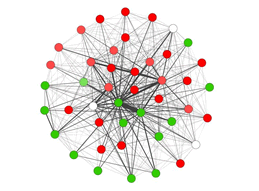
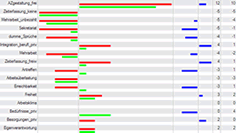
In the first part of the presentation, it is shown how the texts are automatically converted into a Linguistic network transformed. This makes it possible for the formal relevance of text groups that are closely linked in content via common terms. In the second part, the rules of linguistic shape formation are explained. A Gestalt tree leads to a deep understanding of the overall situation. Thus, the text groups by the Processor According to their semantic relevance ordered. The third part deals with the integration of the evaluations of facts, states attributes that are expressed in the texts and presumptions of effects. Reviews and Causal Opinions of Respondents lead to an index of pragmatic relevance on the issues raised. Finally, the fourth part shows how the results of a GABEK analysis can be implemented, where responsible Decision-makers on the project results subjective relevance make their choice with regard to the current problem situation.